
Where is sustainability missing the mark?
A chat on stewardship and new narratives with Sophia Li

Since I first learned there was another Climate Optimist out there speaking the word, I’ve been dying to sit down with Sophia Li. To talk all things climate optimism, of course, but also learn more about her fascinating journey from the media rooms in fashion (think Vogue), to the climate justice work she’s championing today.
When I finally had the chance to invite her to the Hey Change studio, I learned there is so much more to Sophia than meets the eye. An immigrant of Chinese parents, she’s a literal bridge between two worlds. Her Instagram name (Sophfei) is a mix of her American name, Sophia, and her Chinese name, Fei. In response to the question if this bridge carries meaning, she expressed a sense of ownership and pride.
“I feel like I have this contradiction within myself because I’m from two very different cultures... I have these dichotomies in me, and I think that is just a representation of me in essence, and I should just embrace that.”
— Sophia Li
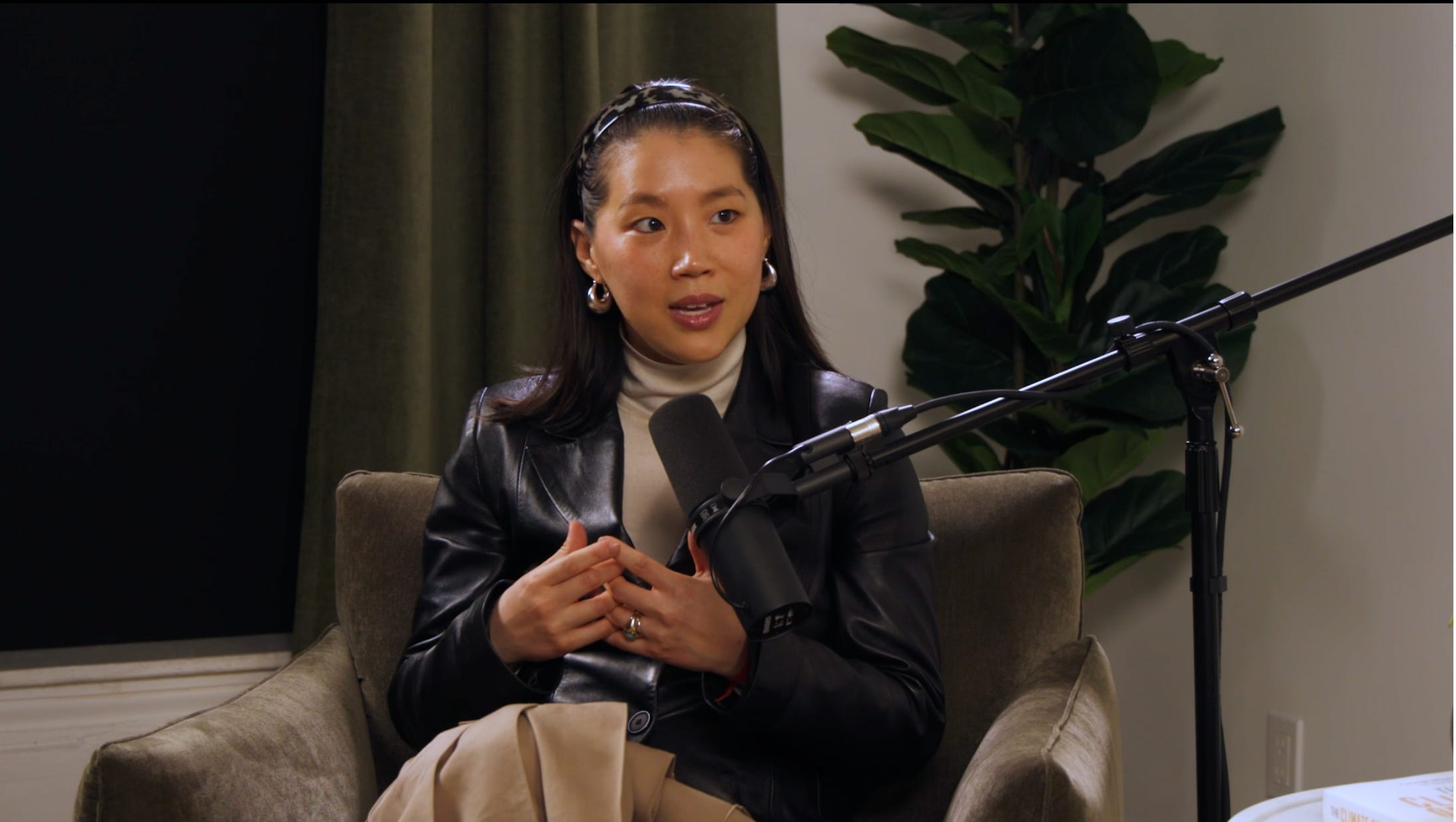
Our conversation went on to discuss the meaning of culture and how much it actually plays a role in how we show up in the world. For example, how everything in the Western World tends to be painted as so black and white, which is not the case in China.
In Eastern philosophy, everything's so nuanced. There's such a spectrum. Nothing is binary. If you ask anyone in Asia, like, 'Is this good or bad?', they would never respond like, 'Oh, that's good, or that's bad.' They would always give you a philosophical answer."
When it comes to our climate crisis and sustainability, is the answer we seek many times more nuanced than we’re told to believe? Would such an approach allow us to see matters with different eyes — perhaps a bit more equal, with an understanding that we are all (truly) trying to achieve the same things?
We tend to think of sustainability as a lifestyle to aspire to, something we need to “get out and achieve.” But in reality, sustainability isn’t something we seek or cultivate; it’s an essence of life that we come back to — it’s a remembrance.
That is why, for Sophia, her newfound focus is on stewardship.
It’s about becoming good stewards of our Earth, but also of our cultures, lives, and lived environments. You might not think it matters much, but just wiping off the sink in the public bathroom for the next person to have a pleasant experience — those little things can make all the difference.
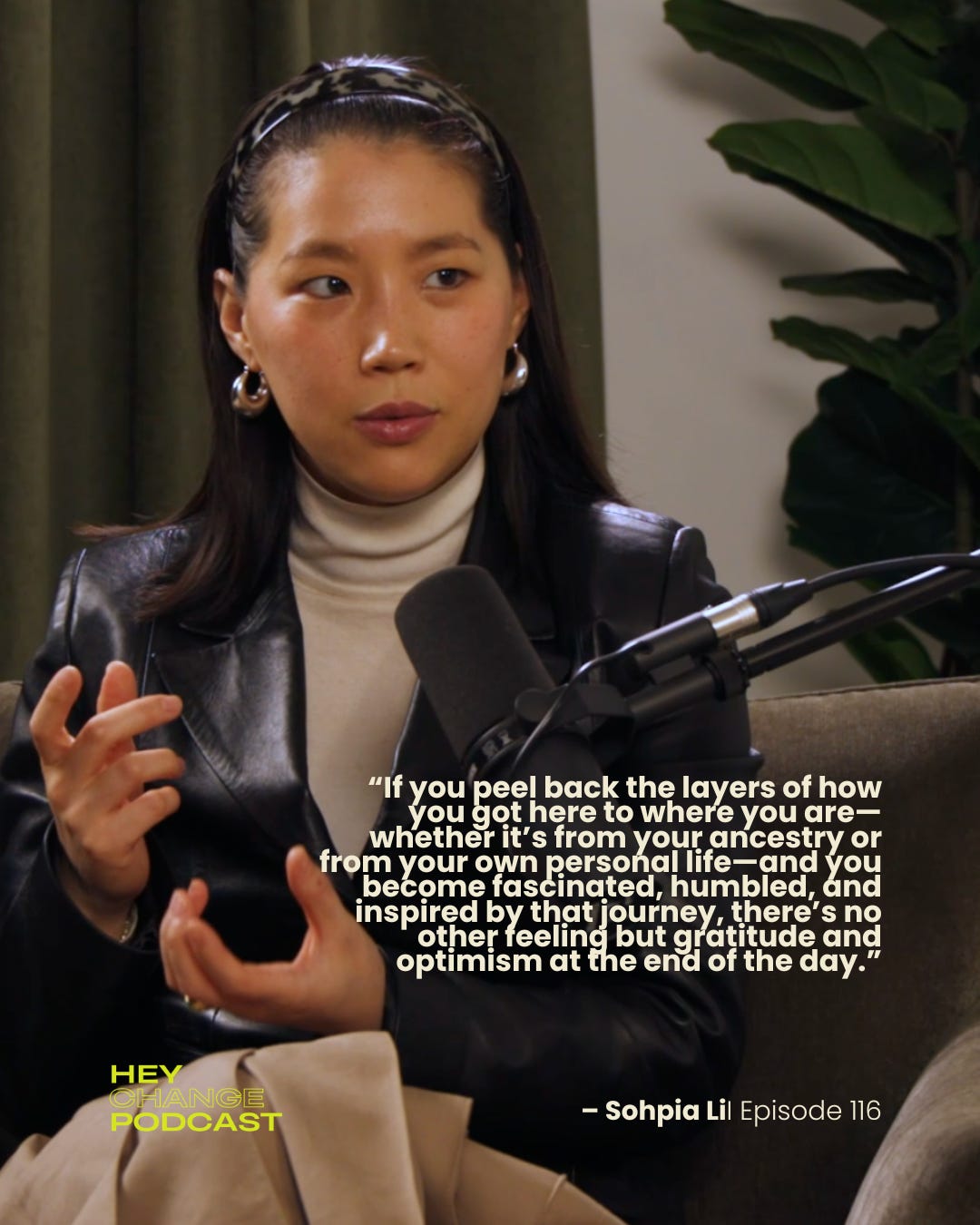
If we can care for the next person whom we cannot know or see, if we can show up as good stewards, whether we get “rewarded” for it or not, we start to embody an energy that permeates. The world gets kinder and more beautiful, and it also reflects back on the person I want to be.
It’s not a step-by-step guide to becoming the perfect environmentalist, but a simple surrender to the person who knows there’s a gentler way to do life. It’s belonging— and it’s stewardship.
And for both of us, this is the root of all things climate optimism, and everything that may follow.
I’ll stop here, because there’s so much good to share from this interview — you’ll simply have to press play to get the rest. But to give you a little peek, here’s what Sophia and I talk about:
Optimism vs. apathy as an active choice.
The power of collectivism and everyday stewardship.
Why your handprint matters more than your footprint.
The inevitable sustainable future we cannot ignore.
Motherhood, change, and the world we’re all unfolding.
Find an hour and get ready to be inspired. This is yet another great episode on the pod!
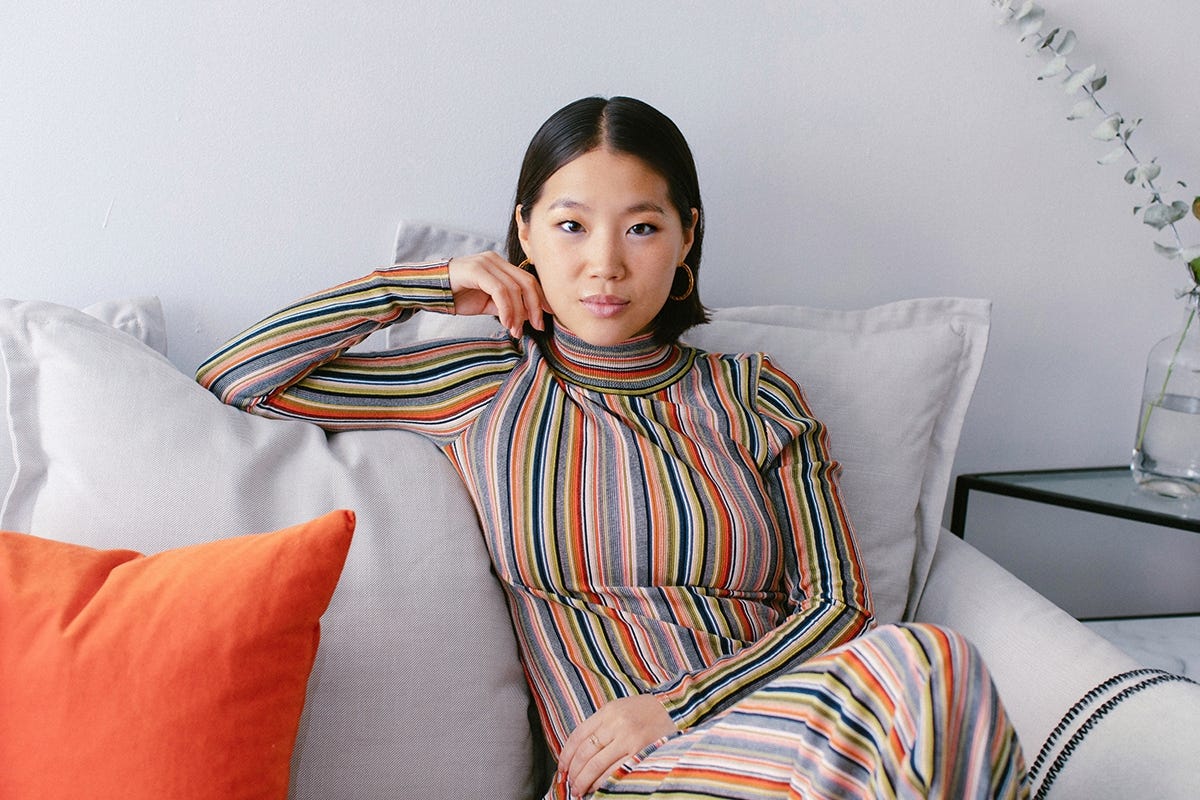
About Sophia Li
Sophia Li is an award-winning journalist and Earthshot Prize correspondent who is quite literally rewriting the script of our future. From navigating the highest levels of fashion at Vogue to the front lines of the climate crisis as a UN Human Rights Champion, Sophia is a powerhouse to be reckoned with.
Follow Sophia on Instagram: @Sophfei
Check out her podcast, Steward: @Steward.Media
The monumental problem that I face is that people believe science is making progress. They think that experiments are going to reveal reality to us. Experiments are about facts and not about theories. They validate our facts not our theories. Why this is important is because we need to understand the basics of science in order to create any kind of sustainability. Right now we are worshiping endless growth and it's destroying all of the ecosystems of the planet. Please explore Decoding science and help me save the planet.